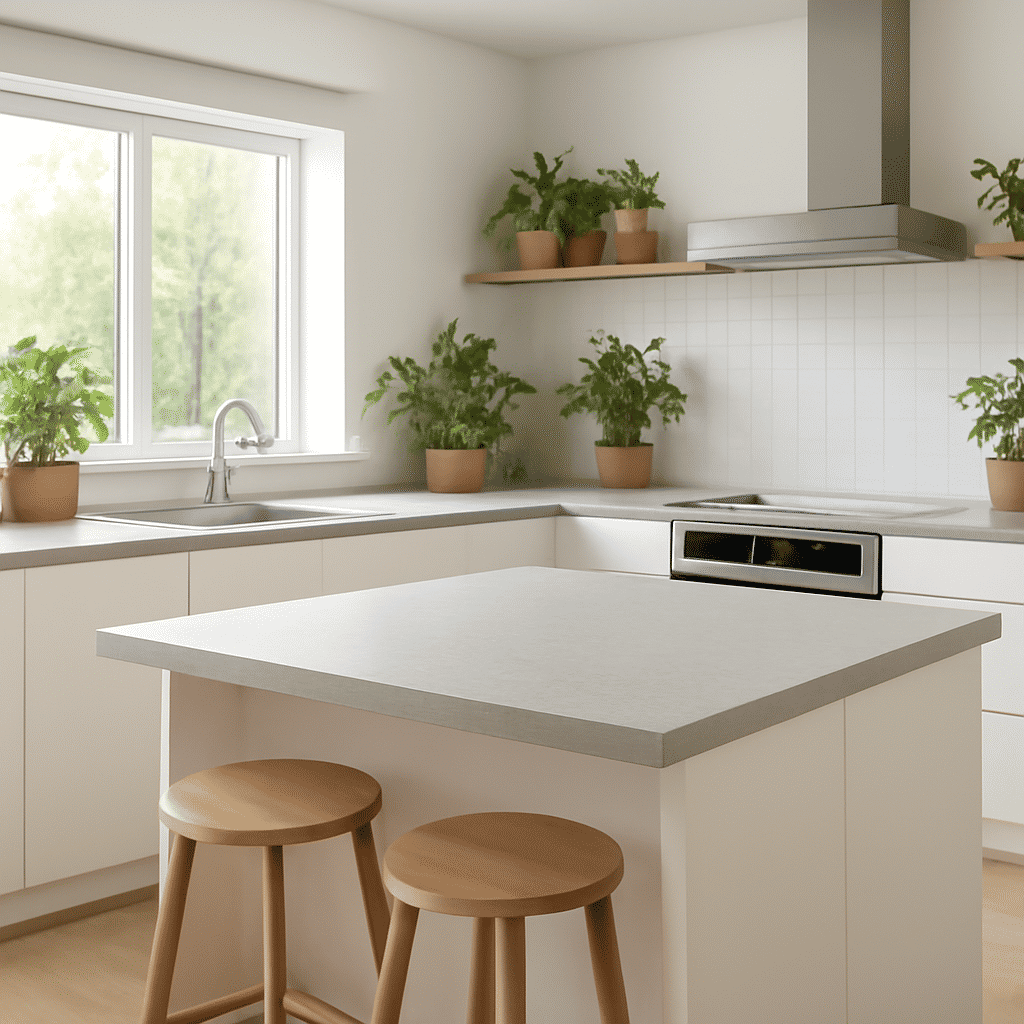
In recent years, the emphasis on sustainable living has transcended mere trends and has become a core ethos for many as they seek to harmonize their lifestyle with the wellness of the planet. One of the most impactful changes you can make in your home is in the kitchen, a space that has traditionally been resource-intensive. By embracing eco-friendly materials, you can create a kitchen that not only serves as the heart of your home but also champions sustainability.
Start with your countertops, often the centerpiece of any kitchen. Traditional countertops can be replaced with recycled materials, such as quartz or glass, which offer the same durability and aesthetic appeal without the environmental baggage. Reclaimed wood can also provide a rustic charm while being a testament to resourcefulness, reducing the demand for new lumber.
Cabinetry is another area ripe for a sustainable upgrade. Look for cabinets made from bamboo or sustainably sourced wood. Bamboo is particularly remarkable for its rapid growth and regeneration capabilities, making it a favorite among eco-conscious designers. Additionally, consider using low-VOC (volatile organic compounds) finishes to minimize toxic off-gassing and improve indoor air quality.
For flooring, sustainable materials present almost endless possibilities. Cork, for example, is harvested from the bark of the cork oak tree, allowing the tree to continue growing. It is both renewable and provides excellent sound-proofing qualities. Recycled tiles, whether ceramic or glass, add color and can create stunning mosaics that serve as conversation pieces, all while repurposing otherwise discarded materials.
Lighting in the kitchen traditionally consumes a significant amount of energy, so switching to energy-efficient LED lighting is a practical choice. These lights last longer and use a fraction of the energy compared to conventional bulbs. Moreover, maximizing natural light by installing larger windows or skylights not only reduces the need for artificial lighting during the day but also enhances the kitchen's ambiance.
Lastly, consider the appliances. Invest in energy-efficient appliances with high Energy Star ratings. These appliances not only lower your utility bills but also minimize your kitchen’s carbon footprint.
Incorporating sustainable materials into your kitchen redesign is not just an investment in your home but a conscious decision to contribute positively to the environment. Every choice, from the tiles to the cabinets, becomes a step towards a healthier planet. By transforming your kitchen into a sustainable space, you are crafting a modern, innovative design statement while affirmatively participating in the global movement towards ecological responsibility.